What if you woke up and your Bitcoin was gone?
In June 2022, Celsius Network froze withdrawals. We had built a yield product that routed 1,000 BTC belonging to 14,746 of our customers through their platform, and when Celsius froze, those funds went with them.
We have written the full account of how that happened, what we missed, and what customers eventually got back in a separate article. What it did to Nuri was final: the investors we were in talks with walked away, the acquirer walked away, and six weeks later, we filed for insolvency.
On 9 August 2022, customers logged in to Nuri and found that their platform had filed for insolvency. Between them, they had €325 million sitting in the app. For most, withdrawals were still possible. For some, the funds they had invested in our yield product were frozen, and they couldn't access them.
Maybe you were one of them. Maybe it was a different platform, a different morning. The feeling is the same. You open the app, and something is wrong. You try again. You check the news. By the time you find the statement, you already know.
We watched it happen from the inside and knew we'd caused it.
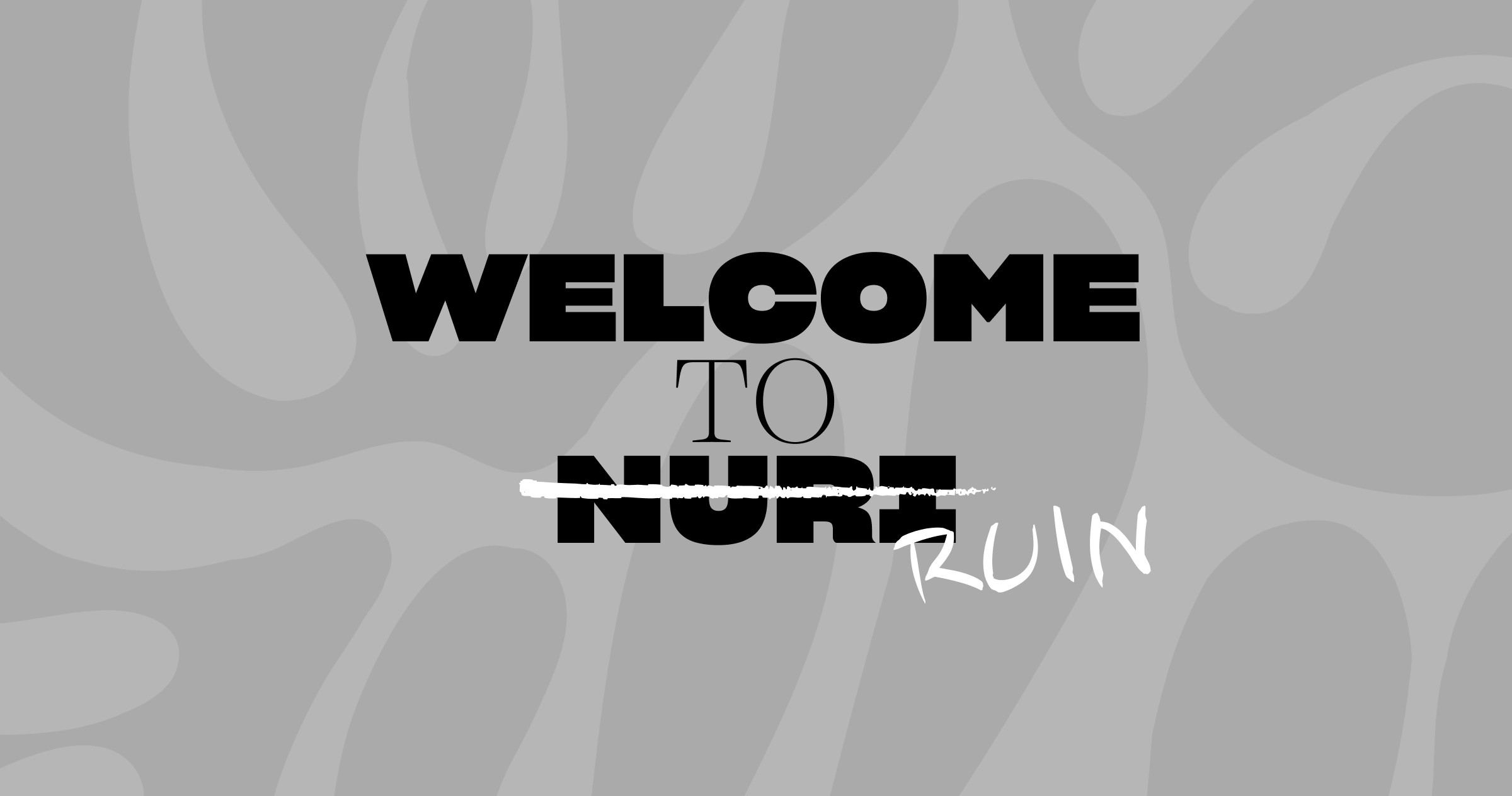
From Nuri to Ruin
After the announcement of the insolvency, someone rearranged the letters on the office LED sign from NURI to RUIN. Nobody fixed it.
25% of staff had already been let go. The rest were asked to take part of their salary in share options, which was another way of saying we were out of cash. We were still generating revenue, but the gap between what we needed and what we earned had become a fact that no amount of optimism could close.
A global buyer had made an offer. We were still in discussions with investors, trying to close a €30-40 million round that kept slipping.
What was safe and what wasn't
This distinction matters, and we want to be straight about it. If your funds were in a regular Nuri account, a custodial wallet, or a self-custodied Vault, they were held by Solarisbank, Solaris Digital Assets, or yourself. Those funds are ring-fenced until today. 100% available then, still accessible today via Solaris customer support if you never withdrew or recoverable by your own backup.
The yield product was different. Customers had a direct legal relationship with Celsius, not with us. We brokered that product, and we promoted it. When Celsius filed for bankruptcy, those customers had to navigate a claims process without our help, because there was genuinely nothing we could do at that point.
Picking up the phone
We spent the four months between the filing and the app closing supporting customers with what we could actually help with: accounts, wallets, withdrawals, closures, and personal data deletion. Thousands of conversations.
Customers had put their Bitcoin into a product we built and promoted. There is no way to dress that up. The word for what that felt like is shame.
There had been differences of opinion along the way about direction, about what we should have been building. The rebrand from Bitwala to Nuri, the pivot toward mainstream banking, the years spent chasing a full banking licence, all of it pulled focus from what actually needed doing. Nobody forced those decisions through alone, but nobody stopped them either. That amounts to the same thing.
Starting over
The last working day ended at a bar in Berlin, Kreuzberg. The company was gone. We had let down hundreds of thousands of customers. And while neither of us felt good about thinking about starting over, what felt worse was not starting over.
When we told people to withdraw their funds in the final weeks, they wrote back saying they now needed two or three different apps to replace what Nuri had done. One thing stayed with us: customers didn't leave. We left them.
The question we kept coming back to was whether the collapse proved us wrong about everything, or whether we were right about the problem and wrong about how we tried to solve it. Our co-founder Jan put it plainly: the dreams were too big, we had become dependent on the wrong partners, and we had spent years tangled up in banking-licence complexity that took us further from the thing people actually wanted. We decided we knew what the problem was. We had just been solving it badly.
What we built the second time
Several blockchain projects offered significant money to put their coin front and centre in the new product. We turned all of them down. For a company rebuilding from nothing, that wasn't a straightforward call.
We went back to the name we started with in 2014. Bitwala. What we kept was the thing customers had actually come for: a way to own Bitcoin, hold it properly, and spend it in real life, without the partnerships and detours that had pulled us away from that the first time. No fiat banking layer we didn't control. No third-party yield products. No dependency on a single counterparty whose collapse could take our users down with it.
None of this makes the original failure unhappen. It doesn't return the funds that were lost. It's the version of the company we should have built first.
You know something most people don't
You lost money on a platform, or you watched someone else lose theirs, or you've just been paying attention long enough. Either way, you understand something most people had to learn the hard way. You know what questions to ask, what promises to ignore, and what a platform that actually respects ownership looks like.
We learned all of that, too, from the other side. Bitwala is what we built when we finally understood what it meant: a Wallet that keeps your keys yours, a Card that lets you spend without giving up control and a team with no excuse for getting it wrong again.