This is the article most companies would never publish. We're publishing it because you’re owed the full version, and because there's something to learn from it.
In June 2022, Celsius Network froze all withdrawals. We found out the same way everyone else did: through the news.
At the time, we were running Nuri (the company now called Bitwala, and there's a longer version of that story). One of our products, the Bitcoin Interest Account, routed customer BTC directly through Celsius.
When they froze, those funds froze with them. Around 1,000 BTC belonging to 14,746 of our customers was locked on a platform we had chosen for them.
How your Bitcoin ended up on Celsius
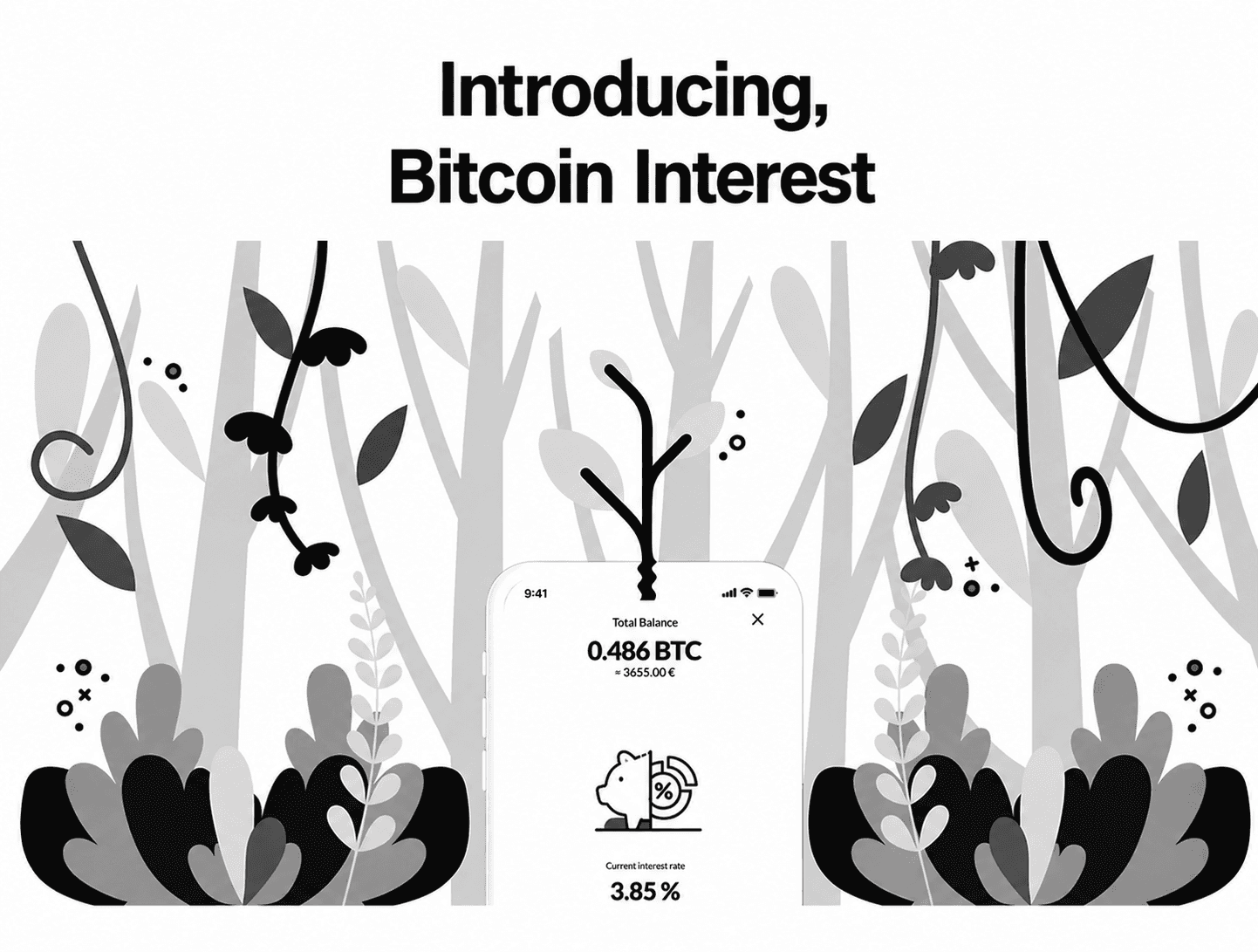
The Bitcoin Interest Account launched on 25 February 2020. The pitch was straightforward: earn up to 5% yield on your Bitcoin, with the yield dropping to 1% by the time of the freeze.
Customers deposited BTC through Nuri and sent it to Celsius. Celsius lent it out on the market, and the yield generated was returned to the customers.
Celsius was a market leader. At its peak, it managed around $12 billion for 1.7 million customers. Our Bitcoin Interest Account held around €40 million in customer deposits. We reviewed the CeFi lending providers in the market, picked Celsius as the strongest option, and put our customers' Bitcoin in their hands.
We became their exclusive partner in Germany through our regulated banking relationship with Solaris, which conducted due diligence and approved the product for the German market.
The legal structure mattered, and we underestimated it. Customers contracted directly with Celsius. Nuri brokered the relationship under Solarisbank's liability umbrella.
Once the funds moved, Celsius held custody. Customers could initiate withdrawals. Nuri could not.
We even published an article in our support centre stating that customers could withdraw their funds at any time without delay. When Celsius froze, we deleted that paragraph because it was obviously wrong.
That distinction between our promise and the actual architecture is something we should have thought through more carefully before shipping the product.
When things went wrong, we were not legally permitted to represent customers or recover funds on their behalf. That structure deserved more scrutiny before we shipped.
The warning signs we ignored
They were datable, public events, not vague market chatter:
Spring 2022: The SEC restricted Celsius's business for US customers.
May 2022: Terra/Luna collapsed. Market rumours that Celsius held exposure to Luna.
Spring 2022: Celsius cut yields. Leadership had its own reasons to reduce exposure around that time. The product stayed live for customers.
We should have reacted. We should have flagged the risk. We should have suspended the product. We did none of that.
The freeze
On 13 June 2022 at 04:13 CET, Celsius emailed its direct customers about the freeze. Nuri customers received the email about 12 hours later.
On 14 July 2022, Celsius filed for Chapter 11. Nuri published a blog post claiming "direct contact with all affected customers." Customers interviewed by the press said that it was not the case. A proper follow-up email went out a week later, after press inquiries. FinanceFWD titled the resulting piece "a case study in poor communication." They were right.
"We'd recommend it to our own mother"
In the months before the freeze, Nuri's leadership publicly described the Bitcoin Interest Account as a product it "would recommend to our own mother."
Court filings from the Chapter 11 proceedings later showed the leadership team's combined personal holdings at Celsius at the time of the freeze: around $4,600. Celsius CEO Alex Mashinsky withdrew around $10 million of his own funds shortly before the freeze.
Who was affected
Of the 14,746 customers, 9,777 (roughly 66%) held less than €100 worth of BTC. Total exposure was around 1,000 BTC, under 5% of customer funds on the platform. Whether someone lost €40 or €40,000, they lost it because of a product decision we made.
What customers got back
The Chapter 11 proceedings have concluded. Creditors recovered about 57.9% of their USD claim value (calculated at the 13 July 2022 insolvency date) in crypto at the January 2024 rate. For one BTC claimed, that worked out to around 0.26 BTC back.
Total recovery is near 72.8% of USD at insolvency. In BTC terms, the headline is 26%. That is what our customers experienced. No further recovery is expected.
What to ask before this happens to you
Every customer who got 26% back trusted a yield product without asking three questions: Who holds custody once your funds move? Can you withdraw at any time, or does the platform need to process it? And if the counterparty goes under, are you a creditor or a customer?
We didn't ask them either. Our customers became unsecured creditors overnight. Most of them didn't know that was possible.
But that's not the whole story
The Celsius exposure was €40 million. The Nuri exposure was everything.
That is the part we didn't price correctly. The Celsius collapse was the final blow for Nuri, arriving at the worst possible time after a series of other problems.
The collapse had no effect on Nuri's core platform, user funds in regular wallets, or trading activity, but the reputational damage was too significant for investors to look past. Without the Celsius exposure, we likely would have found an acquirer.
That part of the story, how Nuri went from a struggling fintech to insolvency, is coming next.